

In Europe, respiratory health and social inequalities are closely intertwined: prevention, treatment, and environmental factors must work together to ensure equitable access to care. On October 3, 2025, the Workshop on European Policies and Advocacy in Respiratory Care took place in Brussels, focusing on health policies and advocacy in the field of respiratory diseases. The event, organized by Cittadinanzattiva-Active Citizenship Network within the project Advancing Respiratory Care at the EU Level, brought together civic and patient associations, healthcare professionals, academics, and advocacy experts. The goal was to promote an approach to respiratory care that moves beyond emergency-driven responses toward long-term, integrated strategies embedded within broader health policies.
Over the past twenty years, European policies have aimed to improve urban environments, air quality, and chronic respiratory health
Following the event, TrendSanità interviewed Professor Guglielmo Trovato, clinician and expert in medicine and health policy, to gather his insights on the challenges and opportunities in this area.
Environment and Social Determinants of Health
According to Professor Trovato, “In the past twenty years, European policies such as the Green Deal and the Zero Pollution Strategy have aimed to improve urban and housing environments, with direct effects on respiratory diseases.” These initiatives have influenced not only air quality and mobility but also indirect aspects such as sleep and the management of chronic conditions, including sleep apnea syndrome and nasal polyposis.
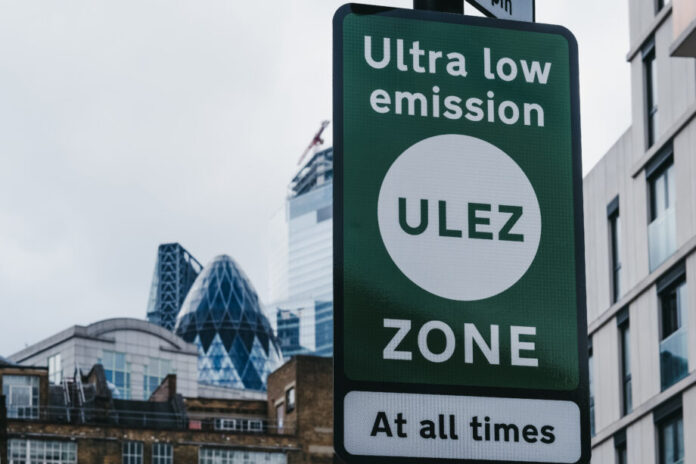
Concrete examples illustrate this link. “London today is far more liveable than many Italian cities, with positive impacts on citizens’ respiratory health,” says Trovato. “Air pollution has an obvious effect, but other forms of pollution also play a significant role, though less immediately perceived. A concrete example is sleep disorders such as sleep apnea syndrome, which may be associated with conditions like gastroesophageal reflux or nasal polyposis – both strongly influenced by environmental factors such as pollen exposure and air quality.”
Urban design can also contribute to prevention. For instance, in contemporary architectural trends such as vertical forests, choosing tree species that reduce the production of allergenic pollens represents an innovative approach to limiting respiratory allergies.
Inequalities and Access to Care
Beyond environmental factors, economic and social disparities affect access to healthcare services. “Poverty and low health literacy, compounded by misinformation, impact both prevention and the availability of treatments – especially for essential respiratory medications,” notes Trovato. Access to inhaled corticosteroids or respiratory vaccines varies significantly across European countries, contributing to major health disparities.
Economic and social inequalities affect access to healthcare services
The European Union funds initiatives to strengthen social support and health literacy, but, as Trovato points out, “These projects are often perceived as bureaucratic solutions rather than being fully integrated into clinical practice.” He stresses the importance of policies that produce tangible, locally effective outcomes.
The Role of Healthcare Professionals
To address these inequalities, Trovato argues, it is crucial to develop cross-cutting skills among healthcare professionals. “It’s not enough to talk with patients; clinicians must know how to examine them, perform basic tests such as lung ultrasound, and consider the environment they live in.” Training should involve physicians, emerging community healthcare workers, and policymakers alike, fostering greater awareness of the social determinants of health.
Prevention and Vaccination
Prevention remains a cornerstone of respiratory care. Influenza, pneumococcal, and other prophylactic vaccinations are key tools in reducing hospitalizations and complications. “Vaccines are necessary for children, adults, and the elderly alike – they must be easily accessible and well understood by the population,” Trovato emphasizes.
Toward an Integrated Approach
Prevention and treatment cannot be viewed as separate silos. Secondary prevention, community-based health recovery, and home management of respiratory conditions are integral parts of care. “Prevention, therapy, and environment are not disconnected domains: they strongly overlap. This integrated vision must guide both policymaking and clinical practice,” concludes Trovato.
Prevention, therapy, and environment overlap, and this integration should guide policy and clinical practice

Improving respiratory health in Europe requires tackling social inequalities, strengthening healthcare professionals’ skills, and promoting effective environmental, urban, and preventive interventions. This means integrating policy, research, and innovation with well-focused and persuasive information strategies.
“As part of this effort,” adds Mariano Votta, Head of European Affairs at Active Citizenship Network, “we are working to promote a coordinated and structured action at the European level, encouraging the EU Institutions to commit to a comprehensive European Plan for Respiratory Health. We will discuss this initiative in February at the European Parliament with representatives from the Commission and Parliament, healthcare professionals, academics, and organizations dedicated to protecting citizens’ and patients’ rights.”